
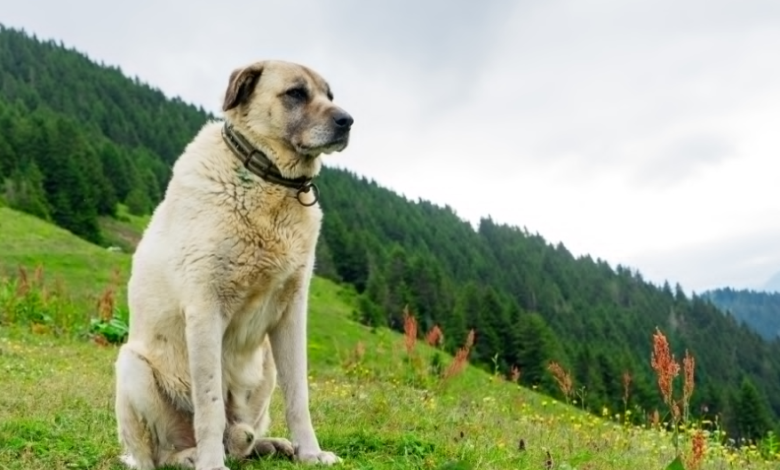
The Turkish Kangal dog is one of the most respected guardian breeds in the world, known for its powerful build, protective instincts, and loyal temperament. Originally bred to guard livestock against predators in the rugged terrain of Anatolia, the Kangal has gained popularity among dog lovers seeking a strong, intelligent, and devoted companion. If you’re considering adding a Turkish Kangal to your home or simply want to learn more about this remarkable breed, start with this comprehensive guide. For more details on origins, traits, and care, see Turkish Kangal dog guide.
Origins and History of the Kangal
The Turkish Kangal originates from the Sivas region of Turkey, where shepherds used them for centuries to protect flocks from wolves, bears, and other predators. This ancient breed is deeply rooted in local culture, often considered a national treasure of Turkey. The Kangal’s development centered around functionality: strength, endurance, and an impressive protective instinct were prioritized over aesthetics. These dogs were prized not only for their physical abilities but also for their calm temperament and unwavering loyalty to their flock and human family.
Physical Characteristics and Appearance
One of the most striking features of the Kangal is its size. A fully grown male can weigh between 110 and 145 pounds (50–66 kg) and stand up to 32 inches (81 cm) tall at the shoulder. Females are slightly smaller but still substantial in build. Their short, dense coat — typically pale tan, fawn, or sable — helps protect against harsh weather. A distinct black mask and dark ears add contrast to their appearance, while their thick, muscular frame speaks to their working heritage. Despite their size, Kangals move with surprising grace and agility — characteristics that made them excellent guardians on rugged terrain.
See also: Health Check And Its Role In Preventive Care
Temperament: Guardian Instincts and Family Bonds
Kangals are widely admired for their calm and composed temperament when properly socialized. While they are naturally protective and alert, they are generally not aggressive without cause. This makes them excellent guard dogs for livestock and property. They form deep bonds with their families and are known to be gentle and affectionate with those they trust. However, they can be wary of strangers and may exhibit territorial behaviors — traits that served them well historically and still benefit modern owners when managed appropriately.
Exercise Needs and Lifestyle
As a working breed, the Turkish Kangal has significant exercise requirements. Daily activity is essential to maintain physical health and mental wellbeing. Long walks, open space to roam, and structured play help release pent-up energy — especially in younger dogs. Without proper stimulation, Kangals can become bored, which may lead to unwanted behaviors such as digging or excessive barking. Owners who lead active lifestyles and have ample outdoor space are often best suited for this breed.
Training the Turkish Kangal
Training a Kangal requires consistency, patience, and a confident handler. These dogs are intelligent and independent thinkers — qualities that helped them make decisions in the field but can challenge novice trainers. Early socialization is critical; exposing your Kangal to various people, animals, and situations builds confidence and reduces fear-based reactions later in life. Positive reinforcement techniques work well, as Kangals respond best to encouragement rather than harsh corrections. Puppy training classes and ongoing obedience work help establish clear communication between dog and owner.
Grooming and Coat Care
Although the Kangal’s coat is short, it is dense and weather-resistant, requiring regular brushing to manage shedding and keep the skin healthy. Weekly grooming helps remove loose hairs and distribute natural skin oils. During seasonal coat changes, more frequent brushing may be needed. Kangals are generally clean dogs with minimal odor, and baths are only necessary when they get particularly dirty. Regular checks of ears, teeth, and nails are also important parts of routine care.
Diet and Nutrition for Optimal Health
Proper nutrition is essential to support the Kangal’s large size and active lifestyle. High-quality dog food with balanced protein, fats, vitamins, and minerals provides the energy needed for daily activity. Large-breed formulas help support joint health and controlled growth in puppies. Owners should monitor portion sizes and avoid overfeeding, as excess weight can strain joints and lead to health issues. Consulting with a veterinarian — especially one familiar with large breeds — ensures your Kangal’s diet meets all nutritional needs.
For broader guidance on canine health, feeding, and wellness routines, visit PetsCare.
Common Health Concerns
Like many large breeds, Turkish Kangals are predisposed to certain health conditions. Hip dysplasia, elbow dysplasia, bloat (gastric dilatation-volvulus), and joint issues are among the concerns that owners should monitor. Regular veterinary check-ups, maintaining a healthy weight, and appropriate exercise can help reduce the risk or severity of these conditions. Early detection and proactive care play important roles in extending a dog’s quality of life.
Living Arrangements: Best Environment for a Kangal
Given their heritage as working dogs, Turkish Kangals thrive in environments where they have space to move freely. While they can adapt to life outside the country of their origin, they are less suited for apartment living unless owners are exceptionally dedicated to meeting their exercise needs. Fenced yards, farms, or rural homes provide ideal settings. Kangals are not “pack and walk” dogs like some herding breeds — they are independent and often patrol their territory in ways that reflect their guardian instincts.
Interaction With Other Pets
Proper introductions and ongoing socialization help Kangals live harmoniously with other animals. While they may be naturally protective around their territory, many Kangals coexist peacefully with other dogs, cats, and household pets when raised together. Owners should always supervise initial encounters and provide structured positive experiences to build mutual respect among animals.
Travel and Outdoor Activities
For owners who enjoy outdoor adventures, a Kangal can be a loyal companion. Hiking, camping, and exploring open spaces allow them to exercise both body and mind. Owners should always ensure safety measures such as identification tags, proper training recall, and awareness of local wildlife — especially in unfamiliar areas.
Insurance and Veterinary Planning
Because of their size and potential for breed-specific health issues, pet insurance can be a valuable investment for Turkish Kangal owners. Coverage for accidents, genetic conditions, and routine care provides financial peace of mind. Discussing insurance options with your veterinarian helps determine the best plan for your dog’s needs.
Bringing It All Together: Is a Kangal Right for You?
The Turkish Kangal is a remarkable breed — loyal, protective, intelligent, and devoted. However, they require responsible ownership, consistent training, frequent exercise, and a suitable environment. Prospective owners should thoroughly evaluate their lifestyle, living situation, and ability to commit to long-term care before choosing this breed.
Choosing a dog is a lifelong decision, and the Turkish Kangal is a breed that rewards responsible, attentive owners with loyalty, companionship, and a strong sense of purpose.

