
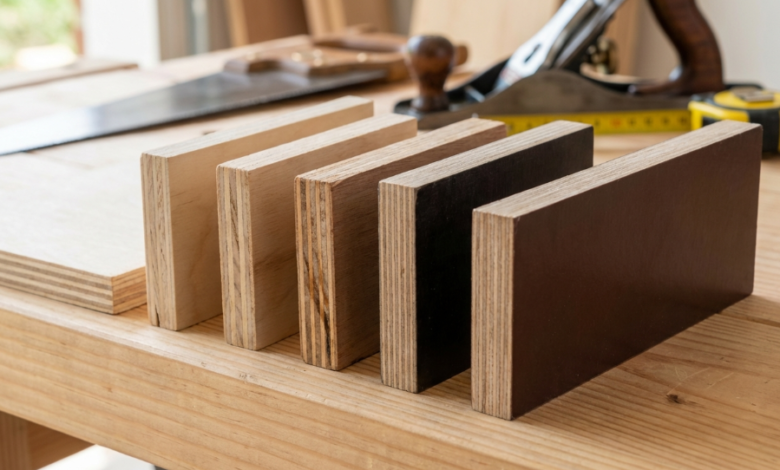
For homeowners and designers, the Indian monsoon represents one of the most difficult challenges for the interior of a home. The constant rain, high levels of humidity, the possibility of water penetration, and the fact that very few materials dry properly during this 6-month period all contribute to a situation where regular plywood just can’t hold its own. Because of this, many owners and designers ask this question: can BWP plywood stand up to the rigors of the Indian monsoon? The answer is yes—if it is true BWP grade and it is installed and utilized properly.
Dangers of Indian Monsoons
The Indian monsoon season produces very high humidity levels for a long time, and therefore kitchens, bathrooms, utility rooms, and wardrobes, etc., that are located adjacent to outside walls will be exposed to wetness, damp air, and occasional water leaks. Under these conditions, regular plywood absorbs moisture through its edges and surface resulting in the swelling, delamination, mold growth, and eventual loss of structural integrity.
How BWP Plywood Will Survive the Monsoons
Boiling Waterproof Plywood was developed for the particular purpose of being able to withstand extreme moisture exposure. It is manufactured from high-quality hardwoods glued with a waterproof phenolic resin adhesive and is designed to be able to withstand extended exposure to water—even boiling water—without separating from the core of the material.
Because moisture does not penetrate into the core of BWP plywood as easily, during the Indian monsoon, BWP plywood will retain its shape, strength, and stability much better than either moisture resistant or commercial-grade plywood.
How BWP Plywood Performs in Indian Conditions
The performance of BWP plywood in Indian conditions is consistent in kitchen base cabinets, vanity bases, utility storage, wardrobes, etc., that are subjected to wet walls. Even under intense conditions of Indian monsoon humidity, genuine BWP plywood will not swell or delaminate as long as it is installed and finished properly.
As well as the plywood grade, installation will determine how well the plywood performs over time, and thus it is very important to ensure that all edges are sealed correctly, that there is adequate ventilation around all pieces of plywood, and that no water remains standing for long periods.
What BWP Plywood Is Capable of and Not Capable of
While BWP plywood has a very high level of moisture resistance, it is not waterproof. It can withstand the humidity, water splashes, and damp air associated with the Indian monsoon, but should not be submerged in water for extended periods. If the best practices of installation are ignored, even during the monsoon season, the life of a piece of BWP plywood will be reduced.
See also: Limo Companies in Miami: What Sets the Best Apart from the Rest
The Top 3 Common Mistakes
- Using non-certified plywood and calling it “BWP”;
- Not sealing the edges properly; and
- placing cabinets directly onto wet floors
These are three very common mistakes that when made cause majority of damage that are not the fault of the plywood, but rather of the incorrect use of the plywood.
Because of consistent quality, many homeowners and designers choose to use Royale Touche BWP Plywood for projects in areas of India that are affected by monsoons.
Bottom Line
Yes, BWP plywood can withstand the rigors of the Indian monsoon and perform very well if it is a genuine, certified, and installed piece of BWP plywood. For Indian climates, which are exposed to moisture on a regular basis for periods of time, BWP plywood is one of the best and most dependable long-term materials for creating durable and resilient interiors.

