
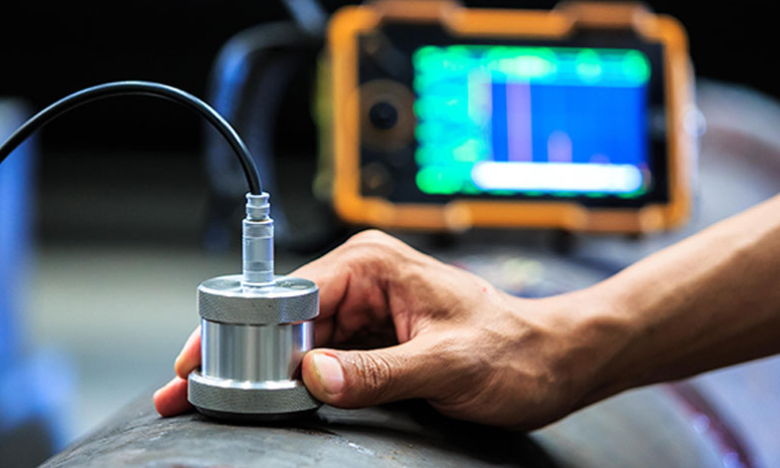
Infrastructure inspections are essential, but they can also be disruptive if they require excavation, shutdowns, or damage to existing systems. Pipelines, water networks, and utility infrastructure often need careful evaluation, especially when problems are hidden below ground or inside materials.
Non-destructive testing helps organizations inspect infrastructure without causing unnecessary damage. This makes it valuable for teams that need accurate information while keeping systems as stable as possible.
What Non-Destructive Testing Means
Non-destructive testing is a method of inspecting materials, structures, or systems without damaging them. Instead of cutting into, removing, or destroying part of the infrastructure, testing methods are used to assess condition, detect defects, and identify risks.
Organizations can use non-destructive testing services to inspect critical infrastructure while reducing unnecessary disruption.
Why Problems Are Often Hidden
Infrastructure problems are not always visible from the outside. Pipes may be cracked, corroded, weakened, or leaking underground. Materials may show signs of wall thinning, structural weakness, or internal damage before a visible failure occurs.
Without proper testing, these issues may remain hidden until they cause larger and more expensive problems.
Benefits of Non-Destructive Testing
Non-destructive testing can support safer and more cost-effective infrastructure management. It may help reduce excavation, limit downtime, detect problems earlier, improve maintenance planning, lower repair risks, and support better decision-making.
For local projects, reduced disruption is especially important. Testing methods that avoid unnecessary damage can help protect roads, facilities, business operations, and public service continuity.
Where NDT Fits in Infrastructure Care
Non-destructive testing can be used as part of inspection, maintenance, rehabilitation planning, and quality control. It gives teams more information before deciding whether to repair, rehabilitate, monitor, or replace an asset.
This approach is useful for municipalities, utilities, industrial facilities, commercial properties, and infrastructure managers responsible for long-term system performance.
When Non-Destructive Testing Should Be Used
Non-destructive testing should be considered when infrastructure condition needs to be understood without causing unnecessary damage. This may include pipelines, utility systems, industrial facilities, or structures where excavation or shutdown would be costly or disruptive.
It is especially useful when problems are suspected but not visible. Instead of relying on assumptions, teams can use testing to gather information before choosing a repair or rehabilitation method.
How NDT Supports Safer Decisions
Non-destructive testing supports safer decisions by helping teams identify risks before work begins. If hidden damage exists, managers can plan repairs with better information. If the asset is still in acceptable condition, unnecessary invasive work may be avoided.
This helps reduce both technical risk and financial risk. For infrastructure managers, better inspection data can mean better maintenance planning, stronger asset protection, and fewer unexpected failures.
See Also: Ultclub Technology: Driving the Digital Revolution
Where Non-Destructive Testing Creates Value
Non-destructive testing creates value in projects where the cost of damage or disruption is high. This may include buried pipelines, active facilities, roads, utility networks, industrial systems, and infrastructure that cannot easily be taken out of service.
In these settings, inspection data helps teams make informed decisions without immediately disturbing the asset or surrounding area.
Step-by-Step Planning Approach
A non-destructive testing plan should begin by defining the inspection goal. Teams should identify what asset needs to be inspected, what risks are suspected, and what decisions will be made from the results.
After testing, the findings should be connected to a practical action plan. This may include monitoring, repair, rehabilitation, or further investigation. The value of NDT comes from using the results to make better decisions.
Frequently Asked Questions
What is non-destructive testing?
Non-destructive testing is an inspection method used to evaluate infrastructure or materials without damaging them.
What problems can NDT help identify?
It may help identify cracks, corrosion, wall thinning, leaks, structural weakness, internal damage, and material defects.
Why is NDT useful for pipelines and water systems?
It helps teams detect hidden problems while reducing excavation, downtime, and disruption to service areas.
Final Thoughts
Non-destructive testing is a valuable tool for inspecting infrastructure without causing major disruption. By identifying hidden problems early, organizations can improve safety, reduce costs, and protect critical water, pipeline, and utility systems over time. Better inspection leads to better infrastructure decisions.

